Word
Scarcity (Defitsit)
Scarcity was never just an empty shelf. It was a whole science of patience, a particular thrill, and the quiet joy of owning something that didn't come easily. Once, the word split the world in two: things you could simply buy, and things you had to track down.
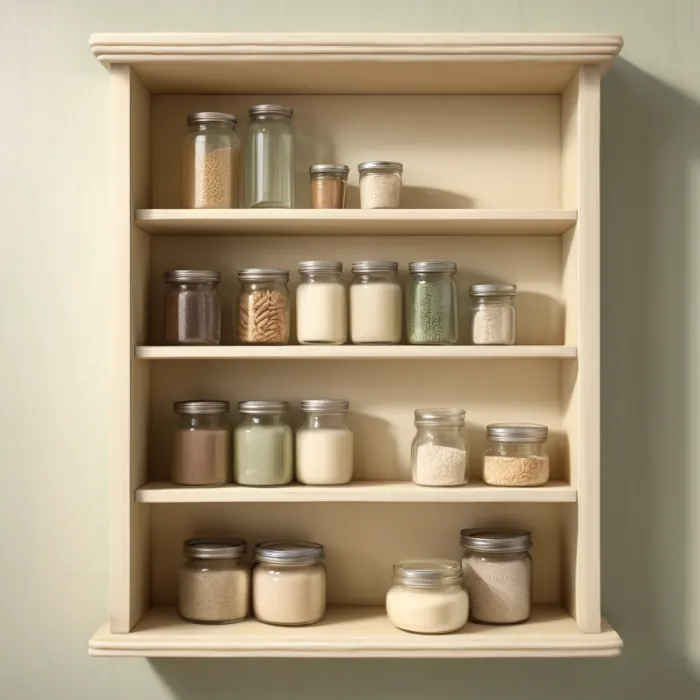
How scarcity differs from ordinary shortage
If a thing is simply absent, that's a shortage — dull and easy to understand. But scarcity was something alive, almost a creature of its own. It lived somewhere nearby, teasing you, surfacing now and then, vanishing for months at a time. Scarcity wasn't emptiness; it was a thing that genuinely existed in the world, that someone had seen, that someone was even wearing — yet it would never just fall into your hands on the way home from work.
Between the words buy and track down lay a vast gulf. To buy is to arrive, pay, and leave. To track down is to learn, to wait, to make arrangements, to be in the right place at the right minute. The verb to track down carried far more respect: it held effort and luck in the same breath. If you tracked something down, you hadn't merely spent money — you'd shown patience and cleverness.
The strangest part was that almost anything could become scarce: a book, shoes in the right size, a tin of good coffee, a neat notebook, a set of paints. The list obeyed no logic. What sat in heaps yesterday could suddenly turn rare today, and the reverse just as easily. That very unpredictability was what made the hunt so thrilling.

The queue as a place to meet people
The chief tool of the hunt was the queue — long, unhurried, sometimes stretching out across half a day. But it would be a mistake to think of it only as a trial. The queue was a little society with its own rules, jokes, and heroes. People held their spot, stepped away on errands, came back, and the whole thing rested on honest words and mutual trust.
In the queue, conversations sprang up that would never have happened anywhere else. Strangers shared news, recipes, tips on where else something had turned up — there was a mysterious phrase, they've put it out, meaning a thing had suddenly appeared. Someone told jokes, someone grumbled about the weather, someone held a place for three neighbours at once. By the time you reached the counter you could know half the district.
A separate art was working out whether there'd be enough for you. Your eyes counted the heads ahead, sized up how many each person was allowed, and your heart sank, then soared again. And the words two people left rang out like music.

The power of connections and a kind word
Beyond patience and the queue there was a third, most graceful path — connections. One person had a relative in the right place, another knew a friendly shopkeeper, another simply had an easy nature and a knack for being liked. These threads of acquaintance were prized above money, and people knew how to look after them.
A kind word, a well-timed thank-you, a small gift in return — all of it was the invisible currency of courtesy. Not a bribe, but plain human goodwill: I'll help you today, you'll help me tomorrow. So a web of mutual favours took shape, in which everyone was useful to someone, and that warmed you no less than the scarcest goods.
Curiously, boasting about your connections was frowned upon. A true master of the hunt kept quiet, smiled, and simply turned up at home with something no one else had. Asked where did you get it, he'd answer vaguely: tracked it down. And in that short phrase a whole story was folded — one he had no obligation to tell.

A joy money can't buy
The most remarkable thing about scarcity was the feeling a person had when they finally got the thing they'd longed for. An object that came hard became almost alive. It was cherished, admired, shown off to guests. New shoes might sit in their box for half a year, because it felt a shame to wear them on an ordinary walk.
This joy ran deeper than a simple purchase. A thing tracked down had labour woven into it: time, nerves, luck, someone's goodwill. So it was valued twice over. Psychologists know the effect: what comes easily we value lightly, but what we worked for we keep and love. Scarcity, without meaning to, taught people to cherish and to be grateful.
And there was a particular quiet pride, too. Not loud, not boastful, but cosy: look, I managed it, look, I have it. And when a thing served faithfully for years, people treated it almost like an old friend, remembering the price it had cost.

Tricks and homespun cleverness
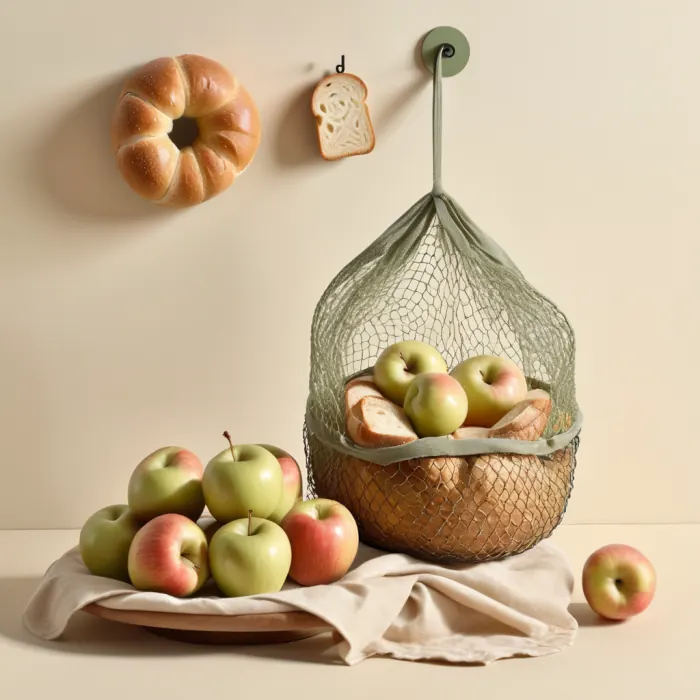
A whole culture of small tricks grew up around scarcity. The string bag — a foldable mesh sack — went everywhere with you, because you never knew what you might meet along the way. Its name, they say, came from the word avos: a hopeful maybe — maybe it'll come in handy, maybe they'll put something out.
There was a science of swapping, too. If you ended up with two of the same needed thing, you didn't rejoice at the surplus — you wondered what you might trade the spare for. So intricate chains formed: one thing swapped for another, that for a third, and in the end everyone got what they were after. It was almost a board game played across an entire courtyard.
Notebooks of the era were crammed with phone numbers and jottings: who tends to have what, what was promised to whom, when to call on someone. A memory for such things was prized as highly as a memory for poetry. A good hunter held dozens of threads in his head and knew how to tug the right one at the right moment.

What scarcity tells us today
Today everything is simpler: want it, order it, press a button, and it arrives at your door. And that's wonderful — no one is calling us back to the queues. But abundance has its own trap: when everything is within reach, nothing truly delights. We buy and forget, hoard and never use.
The memory of scarcity reminds us of something simple: value is born not from the object itself but from our relationship to it. You can deliberately create a small scarcity for yourself — put off the longed-for thing, wait for it, earn it. And then even an ordinary cup of tea becomes a reward rather than a habit.
Therein lies the quiet wisdom of those days: don't rush, don't grab at everything in sight, learn to wait and to value what you've tracked down. Haste cheapens; patience fills things with meaning.
Scarcity at the No Rush Factory
At our factory, scarcity lives a cosy life of its own. The local currency is tickets, and they don't buy everything at once: some things must be quite literally waited out, saved up, earned through calm. You can't snatch it all in one go by jabbing your finger any old way — bustle only throws off your rhythm and pushes the prize further away.
The little creatures at the factory understand the price of waiting very well. The rarest treat they don't gulp down in a hurry but roll about in their paws for ages, admiring it. And when, after a patient shift, something truly valuable finally comes your way, the joy is exactly like that of the old hunter with the string bag — quiet, earned, warming.
The mascot Cheremsha, the rabbit-lion, only squints at any sort of haste and twitches her whiskers, as if to say: don't hurry, everything comes to the one who knows how to wait. And it seems she's right. The most valuable things in life — in the game as in reality — almost never sit on the nearest shelf.