Word
The Fizzy-Water Machine
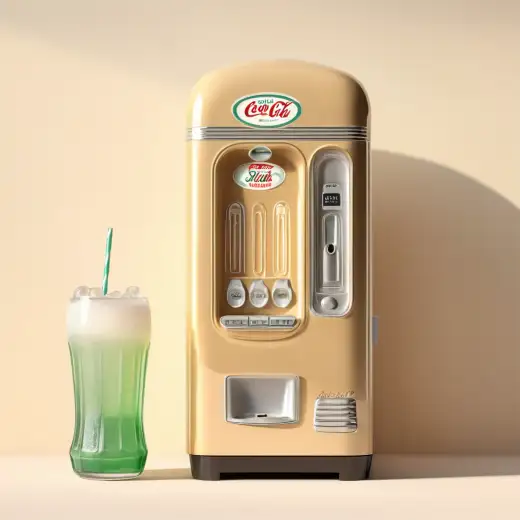
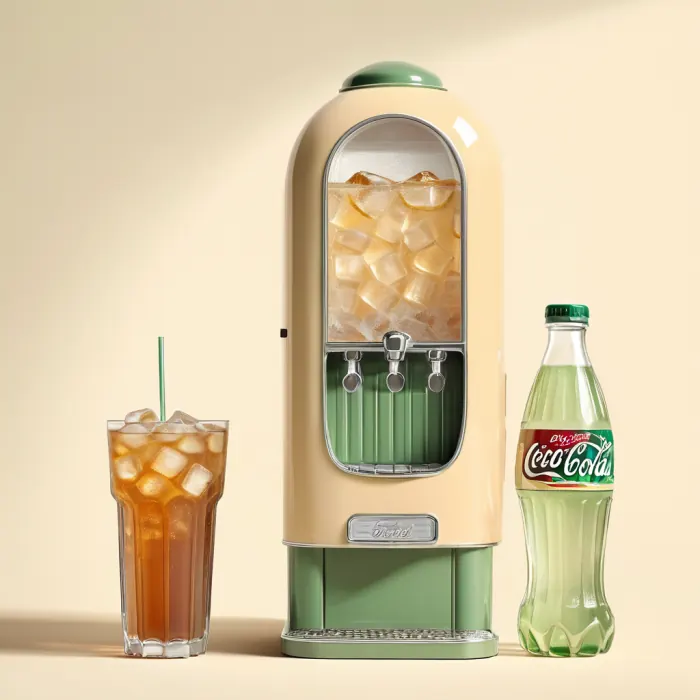
The street fizzy-water machine was a small miracle on every corner: you dropped in a coin, a jet hissed, and bubbles were born right there in your glass. You refreshed yourself, let out a happy sigh, and walked on, in no rush at all.
The Grey Box on the Corner That Knew a Bit of Magic
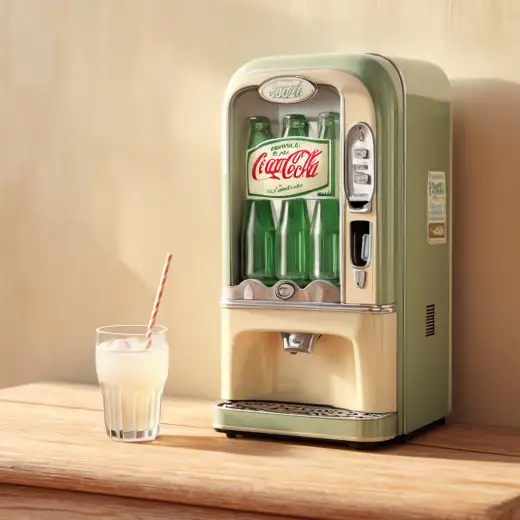
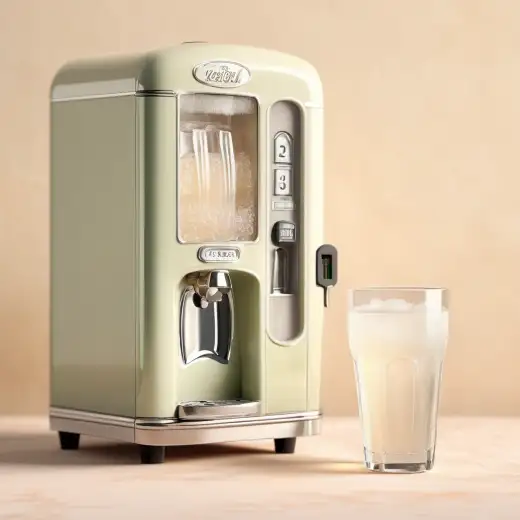
It usually stood wherever people gathered: by the park entrance, next to the market, on the warm side of the street where a little queue would build up by noon. On the outside it was a painted metal cabinet, faintly warm from the sun, with a round window and a slot for coins. Inside hid all the workings: a tank of syrup, a cylinder of gas, narrow little tubes, and a glass that waited its turn on a special shelf. From the side it was just an iron box. But the moment you stepped up and dropped in a coin, the box came alive and began to grumble quietly, as if clearing its throat before some important task.
Children treated it with special respect. The machine never argued, never hurried you, never scolded. It honestly earned every coin and gave you exactly what it promised. There was a fairness in this that even the smallest visitor could understand: you put something in, it gave something back. No queue at a counter, no asking, no "hold on, I'm busy." Just you and the hissing jet.
The Coin That Decided a Glass's Fate
The main ritual began at your pocket. You hunted for the coin in advance, on the way over, and checked it with your fingers to make sure there was no catch. There was plain fizzy water, with nothing in it at all — just cold water and bubbles, gently nipping at your tongue. And there was the kind with syrup — sweeter, brighter, more festive. They cost different amounts, and the choice between them sometimes turned into a real inner debate: take the cheaper, simpler one, or splurge on the sweet little joy. That choice taught a small but important skill — to weigh a wish against what you could afford, without fussing or grabbing at everything.
You dropped the coin in and heard it tumble somewhere into the depths of the mechanism. A second of silence. Then a click, a rustle, and the jet shot into the glass. Syrup came first, settling at the bottom as a thick dark drop, and then the hissing water came crashing down on top and whipped it all into a single sweet swirl. Watching it was almost as good as drinking it.
One Shared Glass and an Unspoken Code of Courtesy
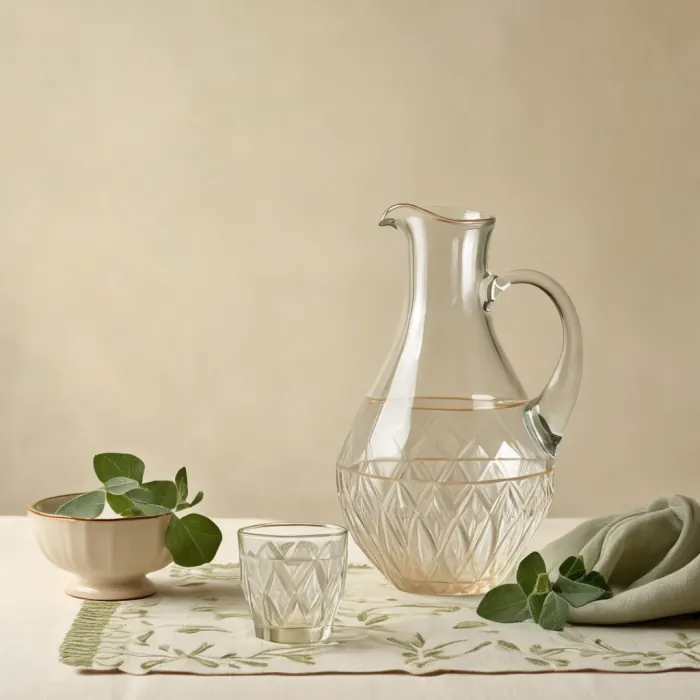
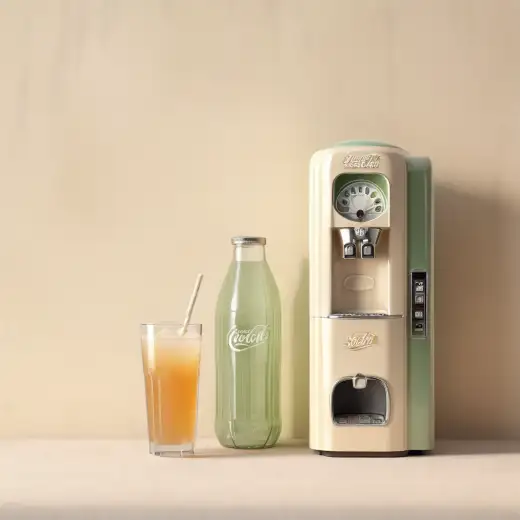
Here is a detail that seems astonishing today: there was one glass for everyone. A heavy, honest, faceted tumbler. It stood in a special little cradle, and each new person picked it up, rinsed it, and used it. Nearby there was usually a small platform with an upturned jet: you set the glass upside down, pressed, and a fountain shot up from below to wash out the sides. A simple, almost naive contraption, but it worked, and it carried a whole unspoken code of street courtesy on its shoulders.
Nobody ever wrote that code down, but everyone kept it. Rinse it after yourself, set it back neatly, don't carry the glass off with you. The glass was the shared property of the street, a small act of trust between strangers. Walking off with it was considered shameful, almost improper. And, remarkably, the glasses most often stayed right where they were, surviving one warm season after another. There was something deeply human in that quiet trust — the belief that someone else would come along after you, and that they'd want a drink too.
Bubbles That Tickle Your Nose
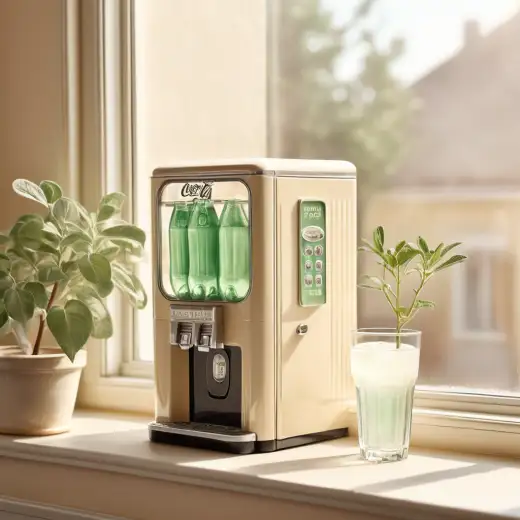
The main pleasure, of course, was the drink itself. Cold, prickly, alive. The first sip always made you screw up your eyes: the bubbles burst in your mouth, rose to your nose, and you couldn't tell whether you wanted to sneeze or to laugh. If the fizzy water had syrup in it, a thick sweetness joined that prickle, and then it felt as if a tiny celebration were splashing about in your glass.
You were meant to drink it slowly, though that was hard to do — it went down so well in the heat. Some people gulped it all at once and immediately reached for a second coin. Others stretched out the pleasure, sipping little by little and watching the foam settle. There was a charm in both ways. The fizzy water demanded no haste. It was a reward for stopping for a minute in the middle of a busy day and letting yourself simply stand still and breathe.
A Little Stop in the Middle of a Big Day
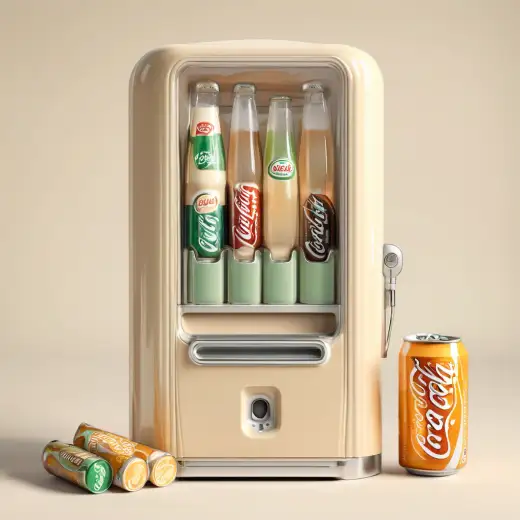
The fizzy-water machine was less about thirst than about the pause. You'd be walking on errands, a list in your head of everything to get done, your feet carrying you onward of their own accord. And then — a familiar iron silhouette on the corner. Your feet slowed by themselves. Your hand reached into your pocket for a coin on its own. And there you were, standing, holding a cool glass, watching the passers-by, and the rush had quietly stepped aside.
This was a lawful, universally approved stop. Nobody hurried you, nobody counted it as laziness. Refreshing yourself at the machine was the natural thing to do, even a little obligatory on a hot day. You took a sip, sighed, set the glass back — and walked on a slightly different person, a little calmer and more collected. A small reset for the price of one coin.
What the Iron Vendor Taught
If you looked closely, the fizzy-water machine was a quiet teacher of good habits. It taught patience: the jet was in no hurry, and you had to wait for it calmly. It taught tidiness: rinse the glass, don't spill, put it back. It taught moderation: one coin, one glass, not an endless stream of sweetness. And it taught care for what was shared — there was only one glass, after all.
It also taught you to notice simple joys. Fizzy water from a machine was no luxury, yet it gave a pleasure unlike any other precisely because it was so ordinary and within reach. It was part of everyday life, a small bright spot in the run of chores. And perhaps that was the main lesson: happiness need not be big or rare. Sometimes it fits into a faceted glass full of bubbles and costs next to nothing.
An Echo in Our Queue
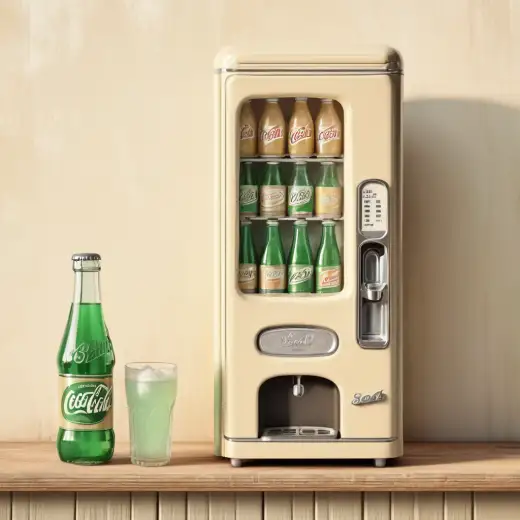
In the world of Cheremsha, with its tokens, its little windows, and its slow queue, the spirit of that street machine lives somewhere close by. The same logic: step up, don't fuss, wait for your jet, refresh yourself, and move on. The same reward for calm rather than haste. And the same unspoken code — be tidy, leave things in order behind you, because someone else will come along after you.
I like to think that the imaginary canteen at our No Rush Factory has a box like that tucked away somewhere, warm from the lamps, with a faceted glass in its cradle. You step up between shifts, drop in a token, hear the familiar grumble of the mechanism — and for a minute all the noise steps aside. The bubbles tickle your nose, Cheremsha the mascot gives an approving twitch of an ear, and you remember the main rule of this warm little world: don't rush. The good things will hiss their way to the bottom on their own.