Word
The Cafeteria Tray
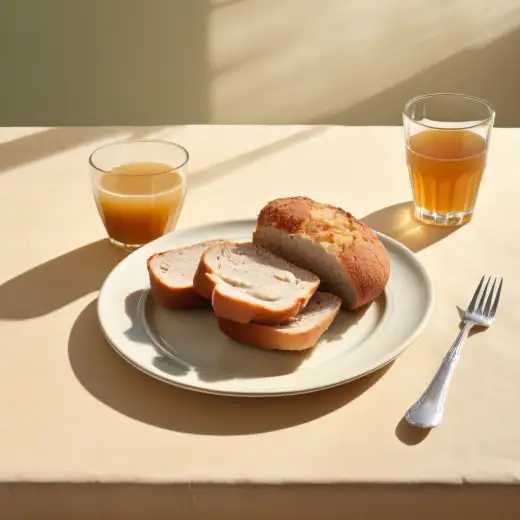
The tray is a humble flat rectangle on which lunch travels from the counter to the table. What could possibly be special about it? And yet anyone who has ever carried a full tray with hot soup and a glass of stewed-fruit compote knows: it's a small test of dexterity, patience, and inner calm.
A simple object with great responsibility
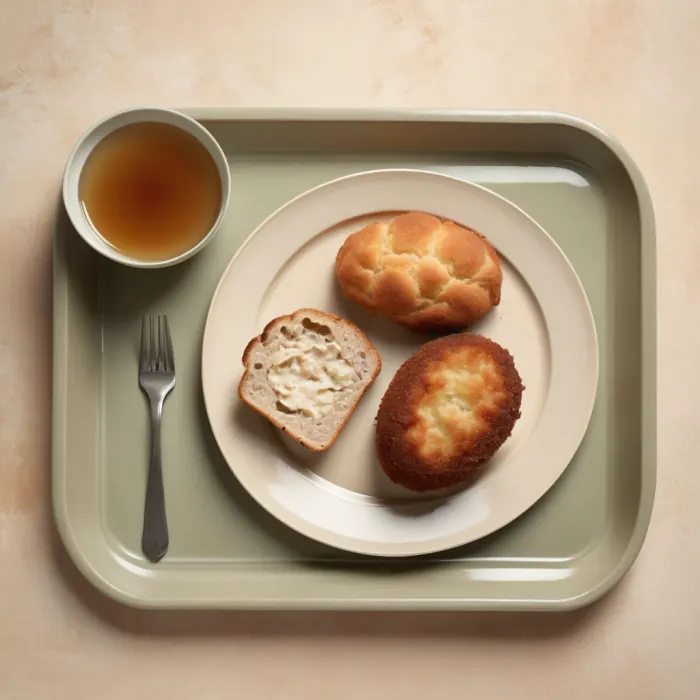
The tray is a deceptively simple thing. A smooth surface with low rims, sometimes with hollows for the plates, sometimes perfectly flat. Some were wooden, some metal, some made of sturdy material with a cheerful pattern round the edge. But the point was always the same: it carries food from the place where it's handed out to the place where it's eaten.
In the factory cafeteria the tray was indispensable. Without it you'd have to run to the counter three times: for the soup, for the main course, for the compote. With a tray you gathered the whole lunch at once and bore it along in one solemn procession. A small miracle of logistics, invented so a person could eat in peace and in a single trip.
And yet behind that simplicity hid a responsibility. The moment you picked up a tray, you stopped being merely a hungry person. You became the bearer of a fragile cargo, answerable for the fate of the soup, the cutlet, and the compote all the way to the table.
The great art of carrying the compote
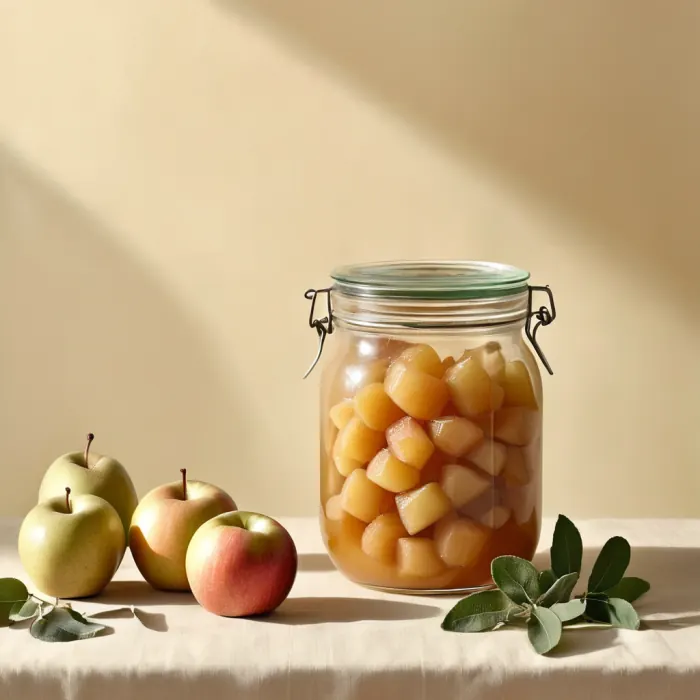
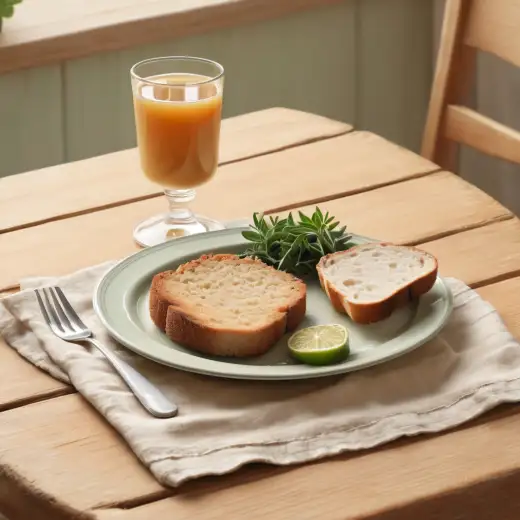
The chief exam for any bearer was the compote. A glass filled right to the brim behaved treacherously: with every step the liquid swayed, crept toward the rim, and threatened to slosh over. To carry the compote without spilling a drop was considered the summit of cafeteria mastery.
Experienced people knew the secret: you mustn't watch the glass and you mustn't move in jerks. The more closely you tracked the surface, the harder it sloshed. But the moment you relaxed your hands, evened out your breathing, and glided along at a steady pace, the compote settled all by itself, as obedient as could be.
There was almost a philosophy in this. The tray didn't forgive bustle. Flinch, hurry, start squeezing through the crowd — and there's a little puddle spreading at the edge, the plates sliding, the cutlet creeping toward the danger line. But to the calm and unhurried the tray yielded gladly and delivered lunch intact.
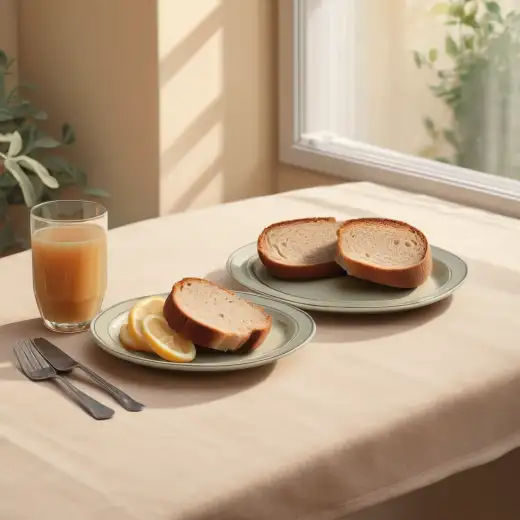
How to hold a tray properly
The old hands had their own tested grip. The tray was held in both hands, pressed to the body but not too tightly — a white-knuckled grip only gets in the way. Elbows tucked in a little, back straight, gaze ahead rather than down. The body found its own balance, if panic didn't interfere.
It was important to arrange the cargo correctly back at the counter. The heavy things close to you, the light ones farther off. The glass went in a corner where it swayed least, the soup in the centre, away from the edge. A sensible arrangement settled half the matter: a well-packed tray almost kept its own balance.
And the old hands never loaded a tray beyond measure. The temptation to take everything at once is great, but an overloaded tray becomes unmanageable: heavy, wobbly, dangerous. Wisdom counselled taking exactly as much as you could carry calmly, without strain. And in that, if you think about it, lies a lesson far wider than the cafeteria.
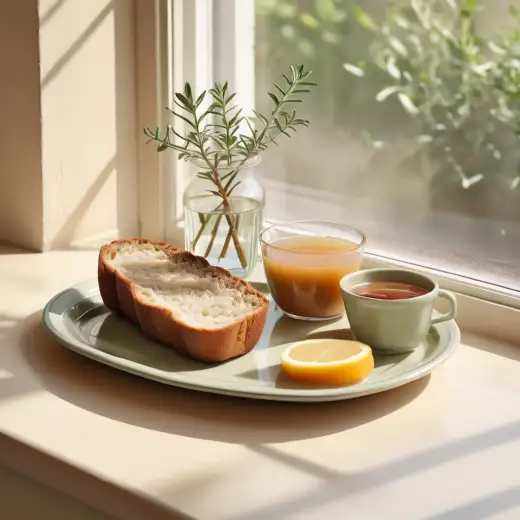
The journey from counter to table
The trip with a full tray was an adventure in itself. You had to pass along the counter, past the clinking little cashier's dishes, between the tables, sometimes through an oncoming stream of fellow bearers. It resembled an unhurried dance in which everyone tried not to bump into anyone.
There was an unspoken etiquette of meeting trays. Two people would converge in a narrow passage, freeze for an instant, exchange a glance, and one would yield, leaning slightly aside. No extra words were needed: each understood what cargo the other carried, and respected the fragility of the moment.
It was a particular point of style to walk the whole way unruffled, back straight, as though you were carrying not lunch but something ceremonial. Such a person was seen off with respectful glances. And whoever hurried, jostled, and slopped things about was gently chided: where are you rushing, the place isn't on fire.
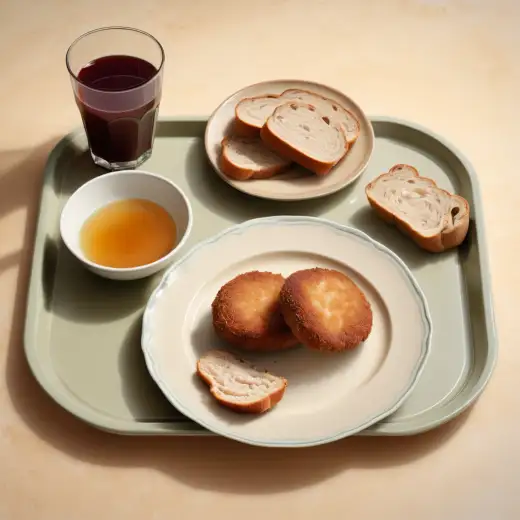
The tray as a small world of one's own
Reaching the table, a person set down the tray — and it instantly turned into personal space. The rectangle of food marked out a little territory, your very own dining island amid the general hum of the cafeteria. On it everything was laid out to your own taste: soup on the left, bread on the right, compote within reach.
Many grew so used to the tray that even at home, or as guests, they'd unconsciously arrange their food in the same way. The tray trained you to order: everything in its place, nothing lost, nothing falling. This habit of tidy arrangement stayed with a person for many years.
And the tray was a fine shelter for a small private ritual. Someone always put the compote in the very same corner, someone laid the spoon strictly on the right, someone tucked a napkin under the edge. These tiny habits made the canteen lunch a touch homier and more one's own.
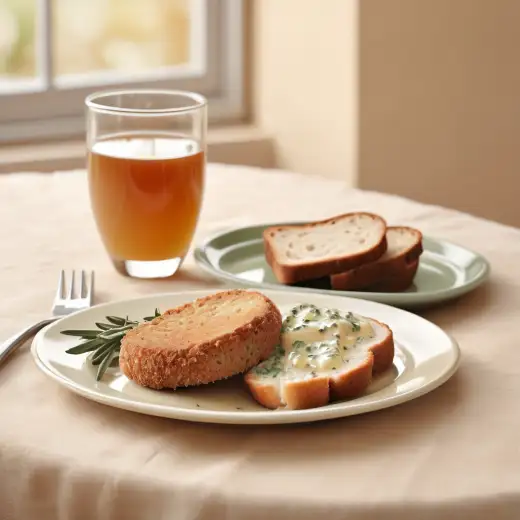
What the tray teaches
Come to think of it, the tray is an excellent teacher. It shows plainly that haste harms the task. Hurry, and you'll slosh, drop, and stain things. Go calmly and evenly, and you'll deliver it all intact and sit down to lunch with a clear conscience and dry hands.
It teaches sensible measure, too: don't grab more than you can hold. And arrangement: think ahead about what goes where, and it'll be easier later. And respect for those coming the other way: yield if the other's load is heavier. How much everyday wisdom fits onto a single flat rectangle.
So next time you carry a tray in any cafeteria, try turning it into a little game of calm. Slow your step, relax your hands, breathe evenly. And you'll be amazed how obediently the compote rides all the way to the table without spilling a drop.
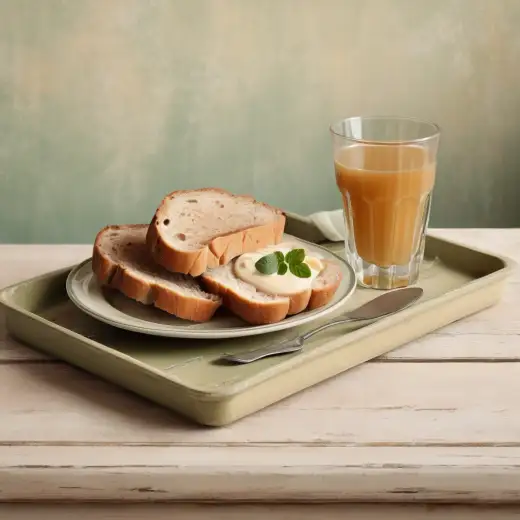
The tray at the No Rush Factory
In our factory's cafeteria the tray is almost a sacred object, for it's the living embodiment of the main rule: don't rush. Here lunch is carried with the same calm as any other work, and a sloshed compote is taken as a sure sign of needless haste.
The little creatures at the factory have mastered the art of the tray to perfection. They glide from the counter to the table smoothly and importantly, and not a single drop of compote trembles on the rim. Watching them, you start to believe that calm really is more reliable than any hurry.
And the mascot Cheremsha, the rabbit-lion, holds her tray so unruffled, as if there were nothing simpler in the world. Therein lies the whole meaning of the place: even a short walk with lunch teaches the very thing the whole game teaches. Walk evenly, carry calmly, don't rush — and everything will reach its goal intact.