Word
Blotting Paper
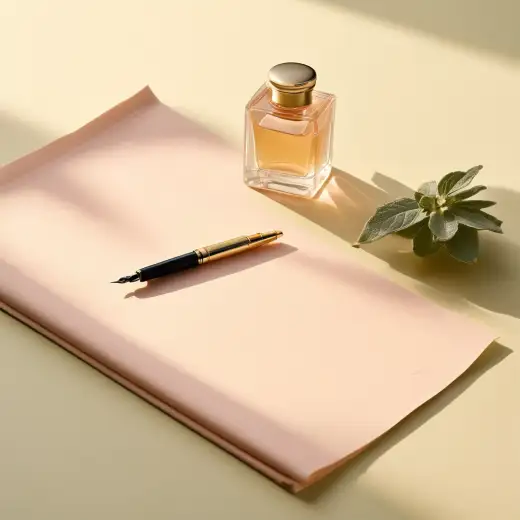
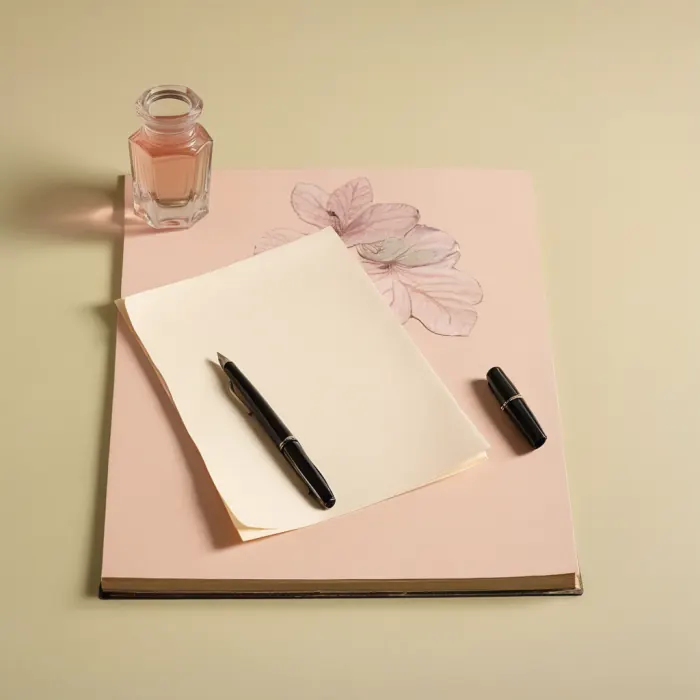
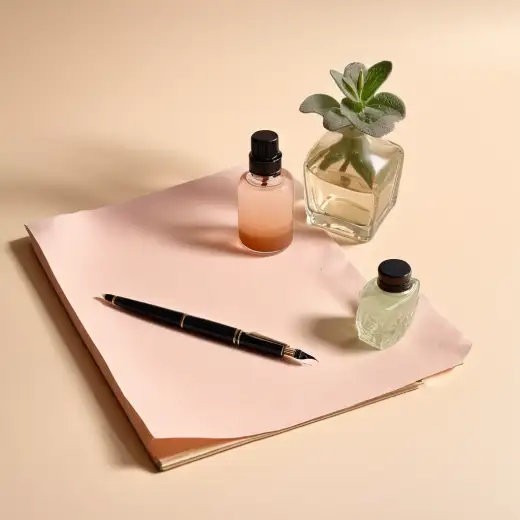
A plain pink little sheet that always lay last in the notebook and was always the first to leave it. Blotting paper meant nothing and meant everything: it soaked up the extra ink, kept the line clean, and doubled as a field for paper airplanes, fortune-telling, and the secret doodles scrawled in the margins of childhood.
The sheet nobody ordered
Nobody ever bought a sheet of blotting paper on purpose, and nobody asked for it. It simply turned up in the notebook on its own, tucked between the cover and the first page, as if someone had known in advance you couldn't do without it. Thin, faintly rough, forever pale pink, it looked like the most modest resident of the schoolbag. Next to it, even the ruler seemed like an important personage.
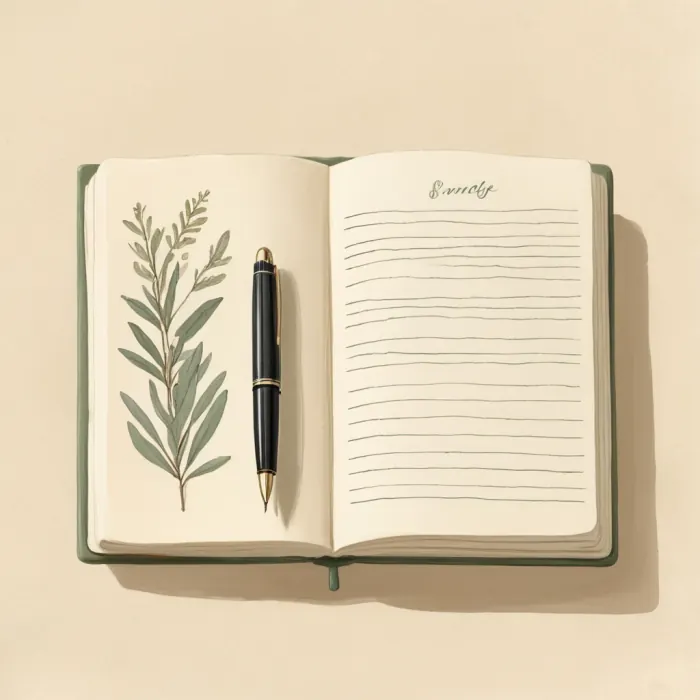
And yet without the blotting paper the notebook felt incomplete. It lay there like a promise: write calmly, I'll catch whatever spills over. It had no lines, no margins, no assignments on it, only a soft readiness to take in someone else's ink blot and never reproach them for it. Few objects know how to be that selfless.
What it was even for
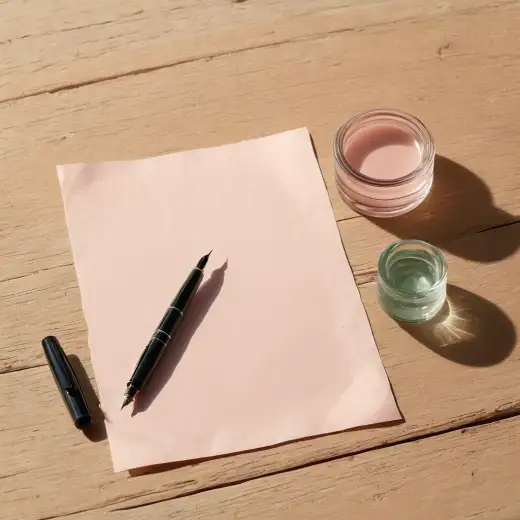
To understand the point of blotting paper, you have to remember what people wrote with back then. A fountain pen left not a dry mark on the page but a wet trail of ink, and that trail was in no hurry to dry. Rush it, close the notebook too soon, or drag a sleeve across a fresh line, and your neat handwriting turned into a smudged misunderstanding.
This was the blotting paper's cue to step onstage. You pressed it to the line, leaned a palm on it gently, and the pink sheet drank up the surplus ink the way a sponge drinks water. The line stayed clean, your hand stayed dry, the notebook stayed respectable. It was a small ritual of patience: don't blow on the letters, don't smear them, just calmly wait while the little sheet does its quiet work.
So it turned out that blotting paper taught you not to rush long before anyone coined the phrase. Hurry, and you spoil the page. Wait one extra second, and everything settles evenly. A simple scrap of paper, yet it built character.
The secret life of margins and paper airplanes
Blotting paper did its proper job honestly, but children quickly spotted far more possibilities in it. A clean pink sheet without lines was the perfect canvas, one where you weren't afraid to make a mistake. People drew little faces on it, houses, mysterious beasts, boats, and tangled patterns that had no business in a handwriting notebook.
They folded it into airplanes, which flew worse than ones from stiff paper but were no great loss. They launched them across the whole classroom, caught them, unfolded them, read the messages scratched inside. Blotting paper forgave everything: the crooked fold, the hasty drawing, the words you later wished you could hide.
And it soaked up more than ink, it soaked up the mood of the lesson. By the end of the day you could read off its surface how a person had spent their time: here they got lost in thought and left a spiral of curlicues, here they were bored and drew a goggle-eyed monster, here they were nervous and pressed a pencil straight through the page.
Fortune-telling, little secrets, and childhood magic
The pink sheet easily became the prop for homemade wonders. Someone would drop a bead of ink on it, fold it in half, open it back up, and in the resulting blot make out a butterfly, a face, or faraway lands. It was simple magic, available to everyone: no special paints, no mentor, just blotting paper, a drop of ink, and imagination.
Girls wrote names on it and counted the letters; boys hid drawn treasure maps under the desk. Blotting paper was torn up for drawing lots, marked with secret signs of friendship, traded around like a small treasure. It cost precisely nothing, yet at times it stood for a whole pact of eternal loyalty, good until the next recess.
There was a special generosity living in that scrap of paper: you didn't mind giving it away, didn't mind spoiling it, weren't afraid to lose it. Maybe that's why it was trusted with the funniest and most secret things of all.
Scent, color, and the quiet poetry of a small thing
Blotting paper had a look all its own. That faded pink color turned up nowhere else: not bright, not festive, but somehow slightly sun-bleached, homey, soothing. The surface was a little soft and grainy, with no gloss, pleasant to stroke with a finger while you puzzled over a problem.
Wet, it rippled and swelled; dry, it stayed forever a touch warped, marked by old ink blots like a map of lessons lived through. By the end of the term an old sheet of blotting paper turned into a chronicle: stains, punctures, scraps of drawings, the mirror imprint of a line accidentally pressed against it.
There's a special poetry in things that serve in silence and ask for no thanks. Blotting paper is exactly that. It never laid claim to importance, but without it the world of the notebook would have been smudged and on edge.
The humble master of other people's mistakes
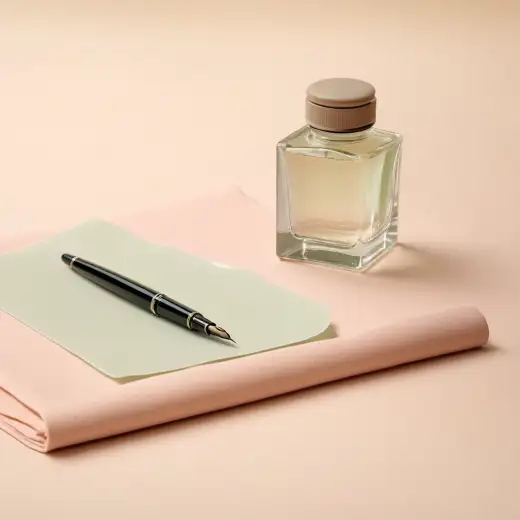
Look closely and blotting paper was practicing the most delicate craft in the world, clearing away the traces of other people's slips without shaming anyone for them. Made one too many blots, your hand trembled, the ink splattered in the wrong place? Press the sheet down, and the trouble soaks in without any scolding or lectures.
That was the true kindness of the thing. It didn't pretend mistakes never happened, and it didn't get indignant about them. It simply took them into itself, leaving the page clean and the person calm. Few even among people know how to do that, let alone scraps of paper.
And blotting paper left everyday life as quietly as it arrived. Pens changed, ink began to dry quickly, the need for a pink sheet faded away. But the memory of it stayed warm, perhaps because it taught patience through tenderness rather than sternness.
Blotting paper and the art of not hurrying
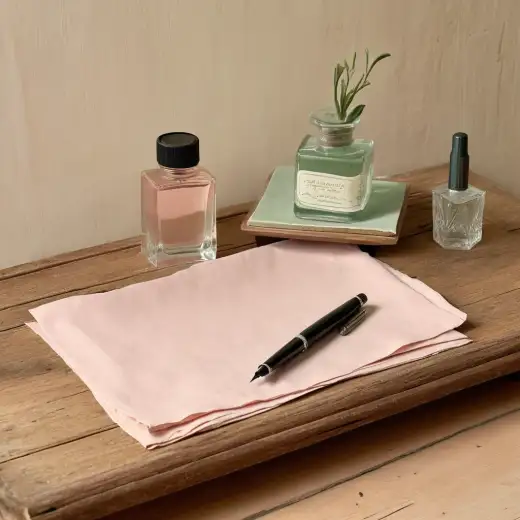
In the cozy world of the No Rush Factory, where everything rests on a calm rhythm, talons, and an unhurried queue, blotting paper would have fit right in, like one of the family. After all, it is the very embodiment of that one great bit of wisdom: don't twitch, don't smear, let things dry and settle in their own good time. A hasty stroke ruins the line; a hasty motion ruins the mood of the whole day.
Cheremsha the mascot, the rabbit with a lion's heart, would surely approve of this approach. Finished the job? Press the sheet down, breathe out, wait. The extra soaks in by itself, leaving only what's clean and even. That's the quiet wisdom of the old pink paper: rushing smears, patience blots.
So when we remember blotting paper, we remember not just a bit of stationery but a small teacher of calm. It lay last in the notebook and was the first to vanish, yet it managed to teach whole generations that sometimes the best thing you can do with an ink blot is calmly let it soak in.