Word
Ration Coupon (Talon)
A little paper rectangle that once meant far more than it looks. A talon isn't just a slip of paper; it's a promise, a queue, a stamp, and the quiet joy when the longed-for goods finally land in your hands.
What a talon actually was
A talon was a paper coupon that gave you the right to something specific. A bag of grain, a pair of shoes, sugar for the holidays, laundry powder. On its own it was worth nothing, but without it you couldn't even approach the counter. A scrap of thin paper, sometimes with a watermark, sometimes just a stamp in blue ink, turned into the key to a door behind which the thing you needed was hiding.
It's striking how much meaning fit into such a tiny object. A talon had to be obtained, kept safe, not crumpled, not soaked, not lost. People carried them in a wallet, in a special little pocket, tucked inside the cover of a book. Grandmothers hid talons between the pages of a home-economics handbook, then spent ages searching for exactly which page held the future tea.
There was a particular tenderness in it. You held in your hands not a thing but the right to a thing, and that made the slip of paper feel almost alive. Bend a corner and your heart would skip: what if they won't accept it? They almost always did, of course, but the habit of guarding a talon like the apple of your eye sank in for good.
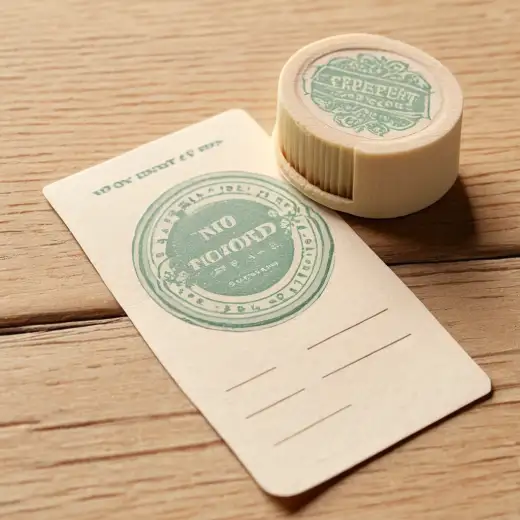
A word we no longer use
The verb to redeem a talon sounds almost affectionate today, and a little funny. To redeem a talon meant to swap the slip of paper for a real, tangible product. You went, you stood in line, you slid your coupon through the little window, and they handed over what was promised. Talon redeemed, mission accomplished, you could finally breathe out.
Curiously, that one word carried a whole little adventure inside it. To redeem wasn't to buy; it was to obtain, to earn, to wait your turn and not walk away empty-handed. You could hear the thrill in it, and the relief, and a faint pride at having pulled it off.
These days we simply pay and forget. Back then, redeeming a coupon was an event worth recounting over dinner at home. Where they were handing things out, how much per person, whether you made it in time or not. A small domestic saga that always had its own ending, happy or otherwise.
The queue as a place of power
A talon was inseparable from the queue. One barely existed without the other. And the queue was no mere line of people; it was a whole community with its own rules, its own conversations, and its own unspoken diplomacy. Who stood behind whom, who had stepped away and asked you to hold their spot, who had claimed a place since early morning.
In the queue people met, quarreled, made up, traded news and rumors about what was about to be delivered. You could be standing a long time, and in those hours you'd get through the weather, the neighbors' health, a recipe for pie, and the fates of the entire courtyard. The queue taught patience better than any book.
And the queue's main rule was simple: don't rush. Whoever darted about, shoved, and tried to slip ahead usually just annoyed everyone and gained nothing. Whoever stood calmly, talon at the ready, sooner or later reached the window. Haste didn't help here; patience did.

The window and the stamp
The little window is a hero of this story in its own right. A small opening in glass or plywood through which the great rite of exchange took place. You'd lean in, hold out your talon, and an at-first-invisible hand on the other side would take it, stamp it, or simply set it on a pile.
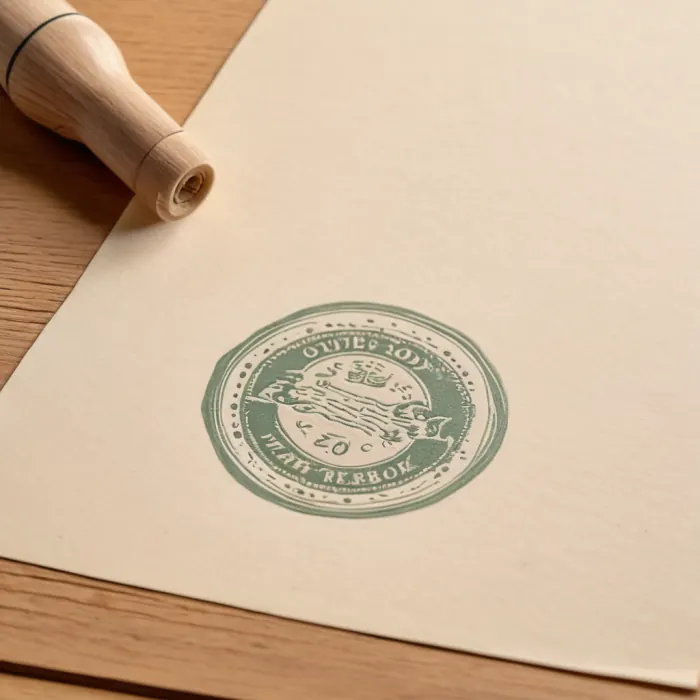
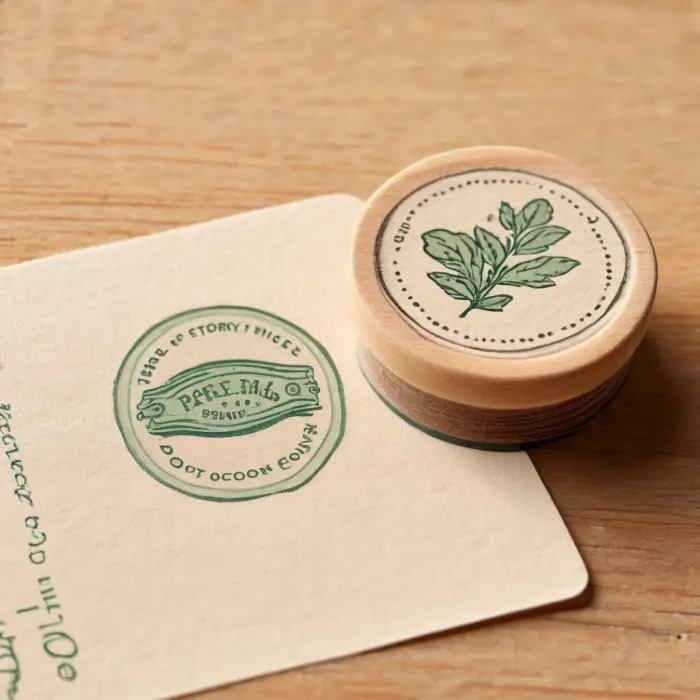
The stamp on a talon was like the period at the end of a sentence. Thump went the stamp, and that meant it was all aboveboard, all accounted for, nobody could find fault later. That dull thud of the stamp on paper stayed with you: short, businesslike, final. After it the talon was worth nothing more; its job was done.
And there was always someone behind the window with a character of their own. One worked fast and silent, another asked you to repeat yourself, a third might grumble. And the mood of the person behind the glass shaped, a little, the mood of the whole queue. A kind word from the window was prized almost as much as the goods themselves.
A small slip, a great deal of trust
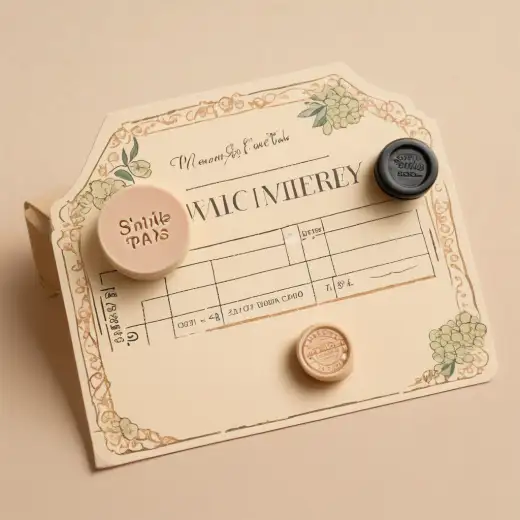
When you think about it, the talon rested on someone's word of honor. It was a system in which everyone had agreed to believe a simple piece of paper. No chips, no passwords, only a stamp, a signature, and a shared understanding that this particular slip was genuine and a real right stood behind it.
Forging a talon was considered, in conscience, unthinkable, though technically it was probably possible. But people mostly played fair. And there was a touching naivety in that vanished way of life: an enormous machine for distributing goods turned on trust in little pieces of paper.
Today it's hard to imagine that an ordinary ticket could be worth a whole product. Yet it was precisely that fragility that made the talon so precious. People guarded it not out of greed but out of understanding: lose it, and the right vanishes along with the paper. That's why talons were treated with something close to tenderness.
Talons in our Cheremsha
In the game Cheremsha: No Rush Factory, talons live a cozy life of their own. They're a gentle in-game currency the hero earns for shifts worked calmly. No scurrying, no spamming the screen; on the contrary, the more measured your work, the more talons collect in your little pocket.
It's a small joke that bows to the past: the factory is made-up, the queue is endless, the canteen smells of fruit compote, and talons pile up not for fuss but for the absence of it. The main rule here is the same as in a real queue from long ago: don't rush, and everything will come in its own good time.
And so a talon turns from a museum piece into a warm gameplay metaphor. It reminds you that sometimes the reward goes not to the fastest but to the calmest. And that a paper rectangle can have a surprisingly long life, from a great-grandmother's wallet to the screen of a phone.
Why it's a pleasure to remember
The talon left everyday life long ago, and thank goodness for domestic progress. But a strange, warm feeling remains when you think of it. Not a longing for shortages, but a quiet tenderness for how simple and humane everything was arranged. A slip of paper, a stamp, a window, a kind word.
Hidden in that object is a whole way of living: carefully, patiently, in a shared rhythm with everyone else. The talon taught you not to grab everything at once but to wait your turn and take joy in small things. And that lesson, it seems, hasn't gone out of date, even now that the talons themselves are history.
Maybe that's why it's such a pleasure to talk about. A little slip of paper reminds us that the value of a thing is measured not only by its price tag but by the waiting, the care, and the warmth with which it came to you. And no money can redeem a feeling like that.