Word
The Holiday Voucher (Putyovka)
A flimsy stamped slip of paper that turned an ordinary person into the lucky owner of the sea, some pine trees, and a great deal of quiet. The putyovka was never just paperwork; it was a promise of your lawful, indisputable right to finally do absolutely nothing.
The Paper That Smelled of the Sea
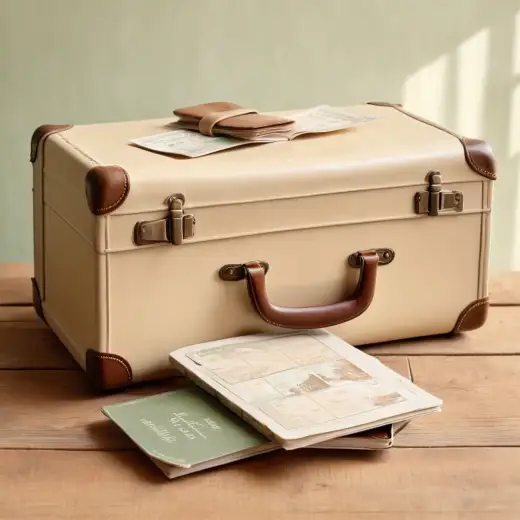
Some documents promise nothing but trouble. And then there was the putyovka. You only had to pull it out of its envelope, unfold it, and see the dates neatly inked in by hand, and somehow the whole room felt warmer. That grayish-blue scrap with its blocky stamp and an unreadable signature held an entire month of someone else's unfamiliar, wonderful life. It held pine trees you hadn't seen yet, a canteen that wasn't expecting you yet, and a quiet hour you weren't used to yet.
Nobody ever threw a putyovka away straightaway. It got tucked into a keepsake box along with ribbons, postcards, and a spool of thread, and then served for ages as a bookmark. It reminded you that once, you'd held the full, officially documented right to sleep in, wander with no destination, and answer not one single urgent question. In a world where every task had its own form to fill out, the putyovka was the one and only form for happiness.
A Wait That Stretched Out Sweetly
The strangest thing about a putyovka was that the joy of it began long before you left. You got it in advance, sometimes months ahead, and the whole time it lay there quietly, keeping you warm. You'd go about your errands, stand in a queue, wash the dishes, and meanwhile, somewhere in a desk drawer, your paper was waiting, and that made any fuss feel a little unserious. So what if there's a queue. Afterward, there'll be pine trees.
People knew how to savor the waiting. They'd dig out a map, run a finger along unfamiliar names, ask the neighbors whether they'd ever been. The neighbors, of course, had been everywhere and had opinions about all of it: where the water was warmer, where they fed you better, where music played in the evenings. Out of these stories you'd assemble an imaginary trip that often turned out more interesting than the real one. But the real one always arrived anyway, and it was lovely in its own different way.
Packing as Its Own Art Form
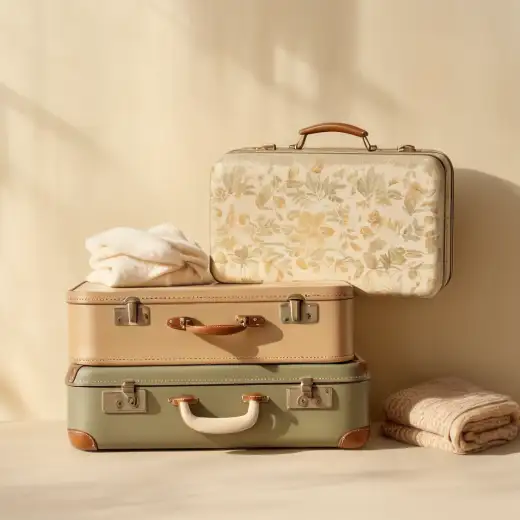
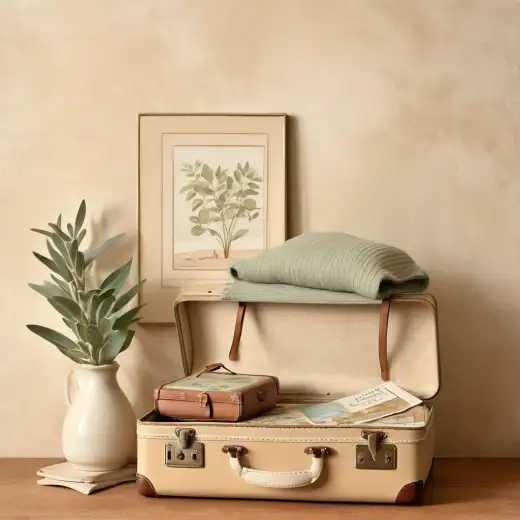
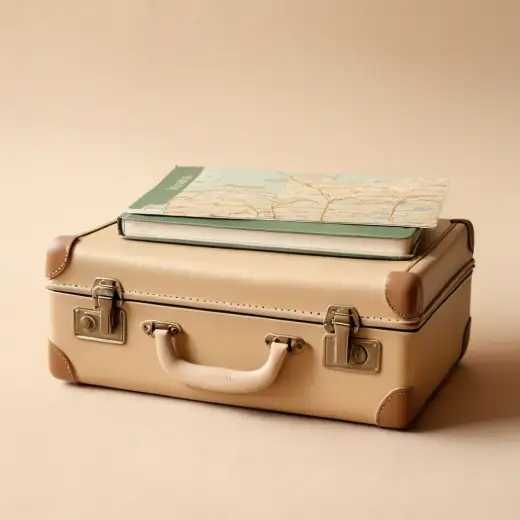
Packing for a putyovka was a ritual. You'd haul the suitcase down from the top of the wardrobe ahead of time, air it out, sometimes oil the stiff clasp. Inside went your finest and your comfiest things at once, because a proper rest demanded both. A sun hat or a headscarf, no question; something for a cool evening, no question; a book you'd been meaning to read forever and almost certainly never would open.
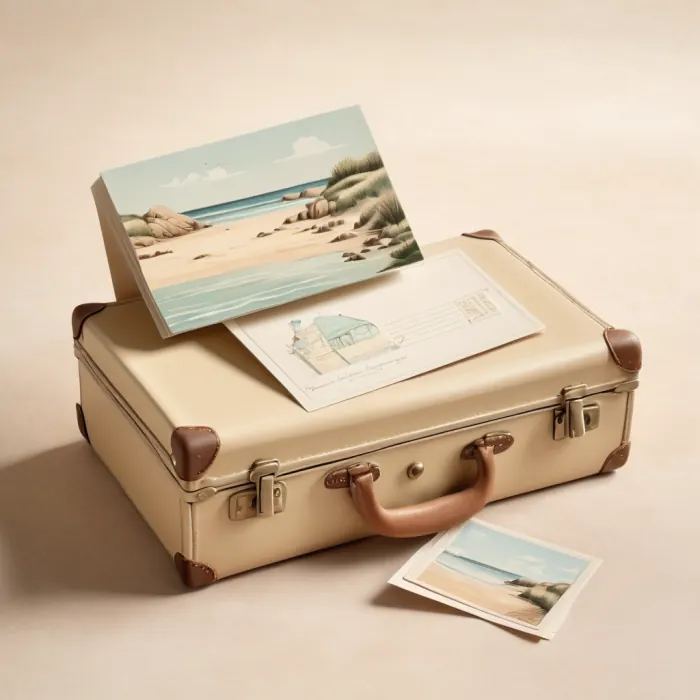
A whole separate line item went to the small stuff: a tin box of medicine, a paper twist of caramels for the road, postcards already addressed to home so you'd have somewhere to write got here fine, weather's lovely. You'd close the suitcase, sit on top to snap it shut, and right then the holiday had already begun, even with a full day still to go before the train.
The Quiet Hour and Lawful Idleness
The greatest treasure of the place a putyovka led you to was a daily routine in which idleness wasn't laziness but an actual scheduled item. The quiet hour appeared on the timetable right alongside lunch, and that changed everything. To lie down in the afternoon with a book on your chest, to listen to those very pine trees rustling outside the window, and to know it was all sanctioned, was a peace like no other. Nobody rushed you, because there was nowhere and no reason to rush.
This officially approved calm worked wonders on people. Someone who at home would leap up at every creak and finish every chore on the run would, after three days, start walking slowly, talking more softly, gazing at the water for ages. Along with a bed and meals, the putyovka seemed to hand out permission to slow down. And many people carried that permission home more carefully than any souvenir.
The Canteen by the Clock
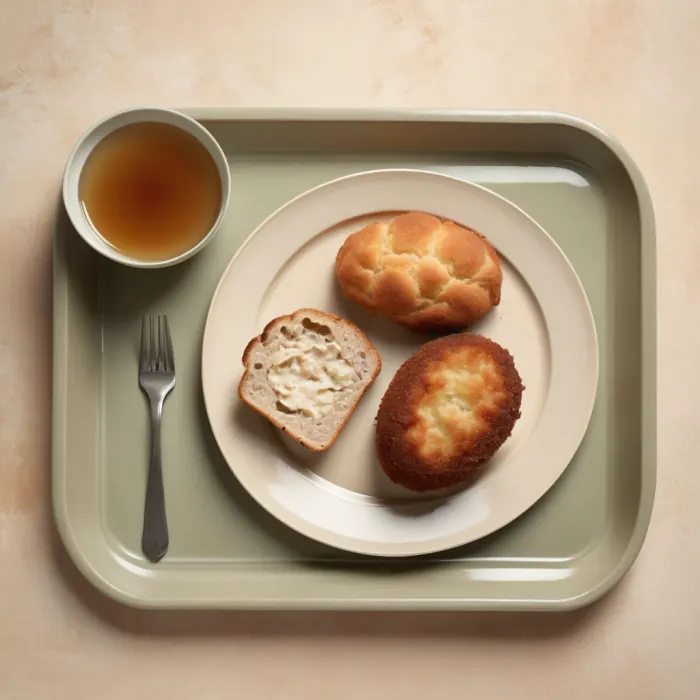
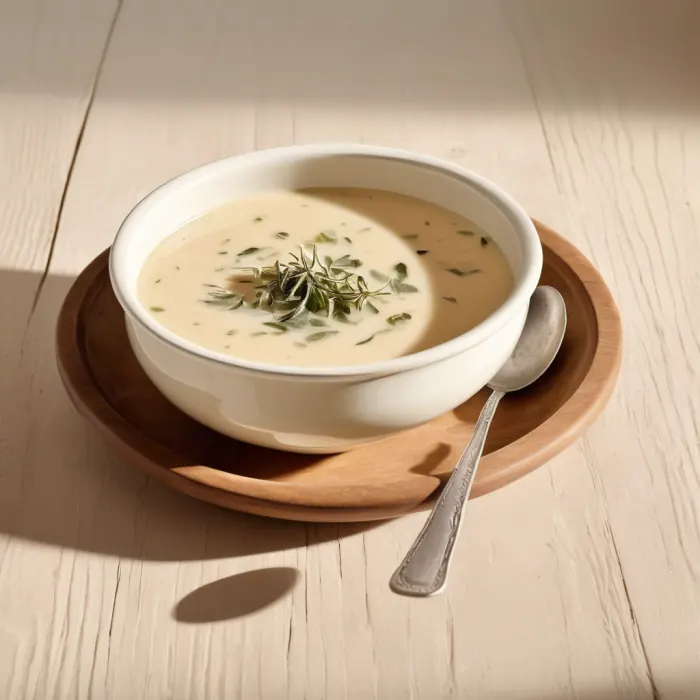
Meals ran by the hour, and there was a charm in that. A bell, or just the familiar rumble of footsteps, meant it was time, and everyone drifted unhurriedly toward identical tables. The menu offered no choice, but it offered reliability: a first course, a second course, and always compote, warm or cool, in the familiar faceted glass. You didn't have to think about what to eat; someone had already thought for you, and that, too, was a kind of rest.
Friendships formed quickly at the neighboring tables. People who'd been strangers the day before were, by the end of the first week, exchanging greetings, swapping notes on their walks, and debating whether it might turn cold by evening. This easy, no-strings friendship that lasted only as long as the putyovka was its own warm phenomenon, alive for exactly as long as the holiday and, for that reason, somehow especially pure.
Postcards and the Long Road Back
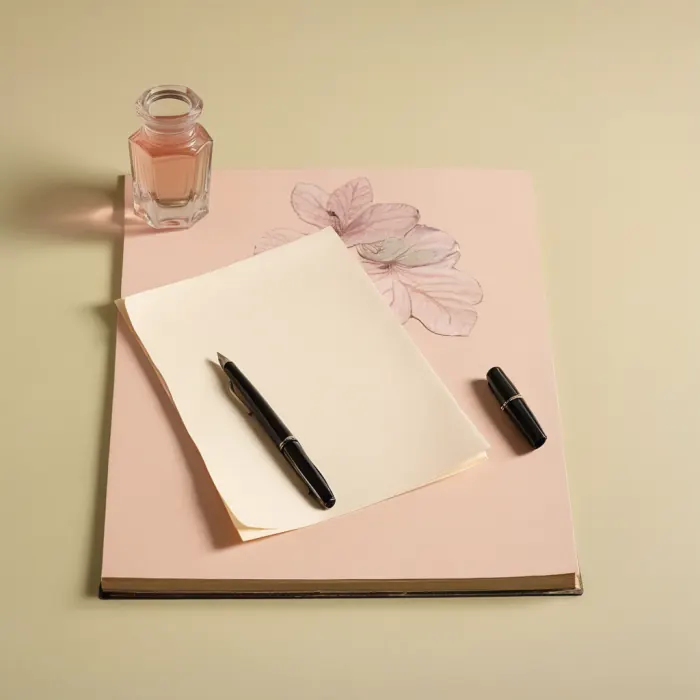
From a trip you always sent postcards. You chose them slowly, studying the painted sunsets and the carefully rendered waves, then wrote a few short warm lines in large handwriting so there'd be room for both a hello and the weather. The postcard often reached home later than the holidaymaker did, and then you'd read it with a smile: look, we'd already forgotten how good it was there.
The road home was its own genre of melancholy. A tanned, rested person rode back carrying a seashell, a pinecone, and a little jar of something local in the suitcase, promising themselves the whole way that from now on they'd live more calmly, without the fuss. The promise held for varying lengths of time in different people, but the habit of treasuring the quiet hour often stayed for good.
A Lawful Excuse Not to Hurry
Come to think of it, the putyovka taught a simple and rare thing: that sometimes you shouldn't have to beg peace off yourself, but can simply receive it as your due and accept it without guilt. Whole weeks scheduled so a person would walk, eat, and sleep by the clock proved that the world doesn't collapse when you slow down. On the contrary, it grows clearer and kinder.
In our cozy game about a factory, where hurrying only gets in the way and everything is decided by calm, unhurried time, that old stamped slip of paper rings especially warm. The talons there are their own little currency of calm, and the rule no rush sounds almost like a line off a putyovka. Maybe that's why, at the word putyovka, something inside still unclenches: as though someone has once again handed you a lawful excuse to run nowhere at all, to unfold a flimsy slip of paper and hear the pine trees rustling outside the window.