Word
The Ledger Sheet
A ledger sheet is a paper table where life gets divided into rows and columns, and every row waits for its signature. The most honest document in the world: until you've signed, the matter isn't closed.
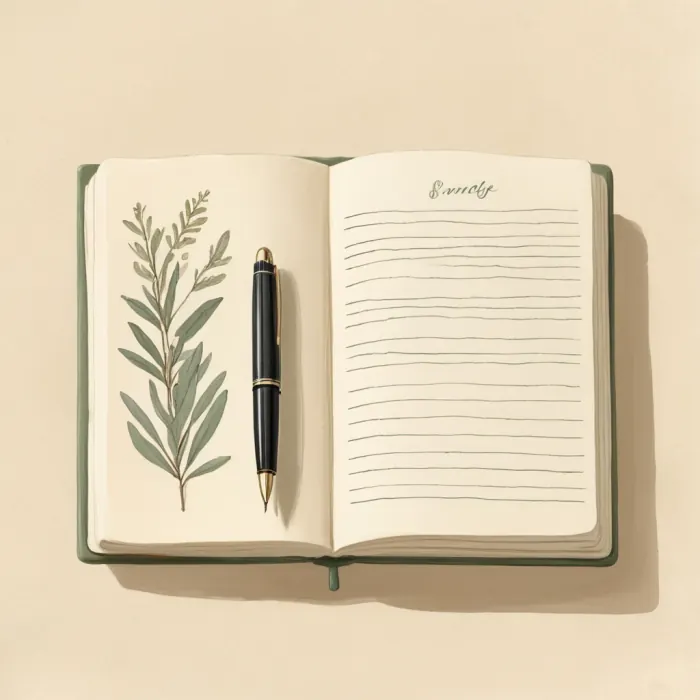
The Sheet Where Everything Falls Into Place
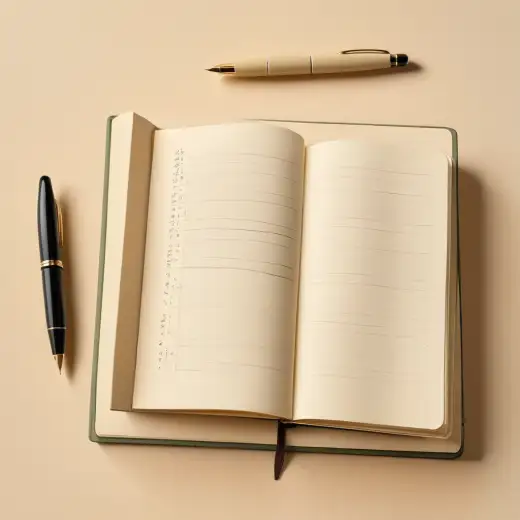
Back in the day there was a special kind of paper, the sight of which made even the most scatterbrained person straighten up and adjust their glasses. The ledger sheet. A long page ruled into little squares, with a header at the top and columns marching down in neat rows, like beds in a vegetable garden. One column for the name, another for what was due, a third for how much, and in the rightmost, most coveted column of all, the signature. Without a signature, the ledger was alive and unfinished; it seemed to breathe and wait. With a signature, it went still and became fact.
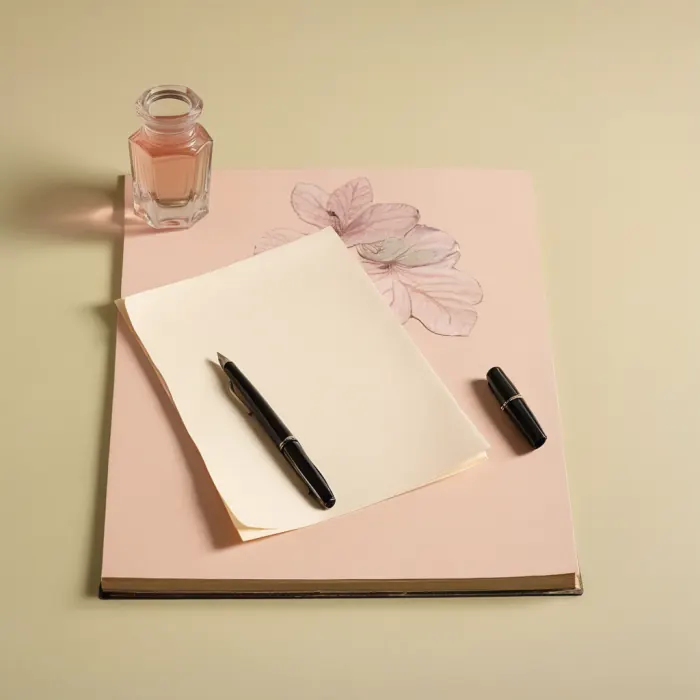
The ledger sheet couldn't abide a pencil. Pencil can be erased, which means it can't be trusted. Ledgers were filled in with ink, blue or violet, so that what was written stayed forever, and so that the pressure of the nib revealed the mood of whoever filled it in. A tidy person drew the letters evenly, a hurried one slanted them, and someone tired by evening left a faintly trembling tail on the last little flourish.
Astonishingly, this dry table had a poetry all its own. The rows fell into rhythm, the columns held their formation, and the whole sheet resembled a tiny country where every number had its own place and its own neighbor-square. Lose a column and that was it, the whole thing went crooked, and you'd be copying it out again on a fresh form.
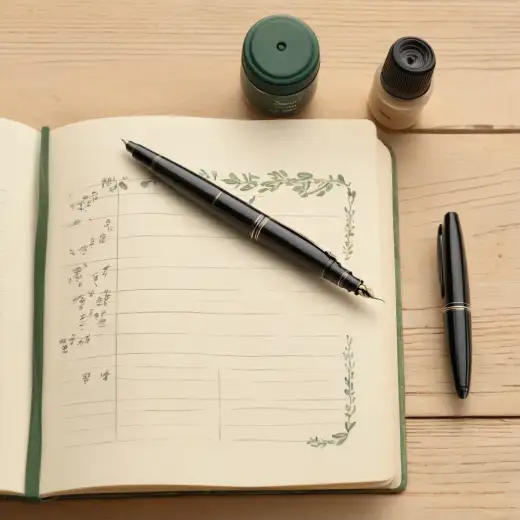
Where These Papers Lived
Ledger sheets dwelt wherever something had to be counted and answered for. In offices, in storerooms, at issue windows. They were tucked into folders with ribbon ties, bound into thick spring binders, and every folder smelled a particular way, a blend of paper, ink, and that elusive aroma that only belongs to documents that have lain on a shelf long enough.
Ledgers were kept carefully, because paper was memory. If a dispute arose, and a dispute could always arise, you fetched the ledger, ran a finger along the row, reached the signature, and said: there, you see, it's signed. And the dispute ended, because against a signed row no words held any power.
The most important ledgers were kept apart, in a far-back drawer, tied with ribbon or a rubber band. They were treated like family heirlooms: you weren't to touch them without need, and if you did take one out, you put it back in the same spot and the same order. Order in the ledgers was akin to order in the home: as long as everything is in its place, the soul is at peace.
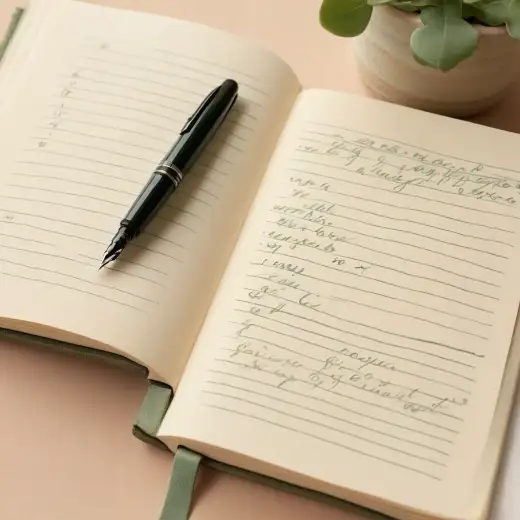
The Sacred Act of the Signature
A signature on a ledger sheet is a little ritual. First the person picked up the pen, then gazed at the row for a long while, as if bidding it farewell, then sighed and traced their flourish in a single motion. And that was it. From that moment the row stopped being a mere entry and became an obligation, sealed by a personal stroke of the pen.
Every stroke was unique, like a fingerprint. One person signed with a broad sweep, taking up half the column; another set down a modest little curl; a third produced something so mysterious that even they couldn't always read it afterward. But everyone knew: this squiggle is yours, and you answer for it.
To sign the ledger meant to close the matter. There's even an old saying: sign the ledger and a weight lifts off your shoulders. While the rows sit empty, it's as though you're in debt to the paper. But once you've put the last signature at the bottom, you breathe out, set down the pen, and you can go have your tea with a clear conscience.
The Stamp That Puts the Final Period
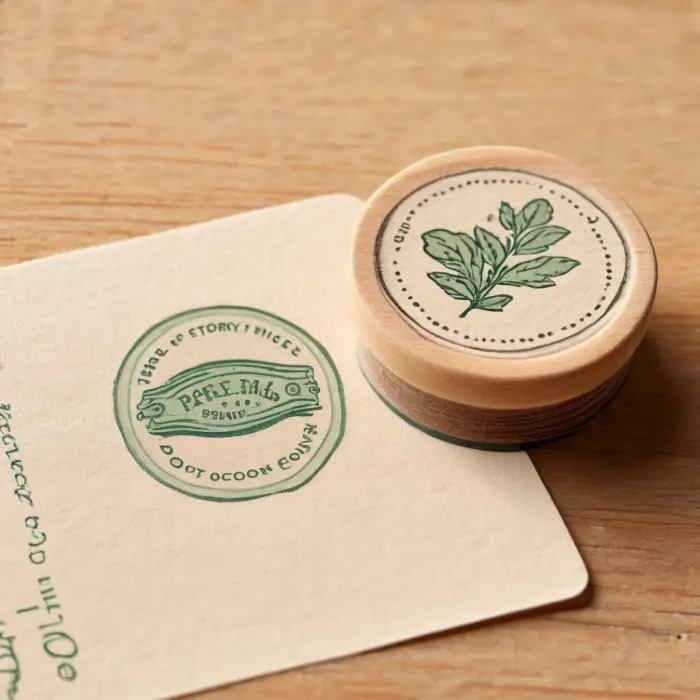
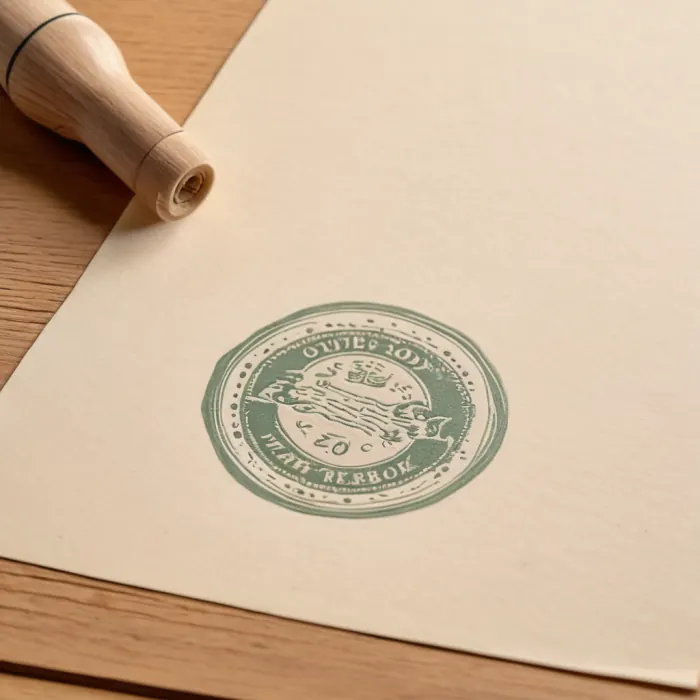
If the signature was a personal word, the stamp was the final one. The round seal was applied with a special feeling: first to the inked pad, rolled on gently, then to the page, with a light press and a turn of the wrist. There came that very muffled thump, after which the ledger became utterly beyond dispute.
The stamp loved precision. Press it crooked and it smeared; too faint and you'd have to strike again beside it, and that was already a mess, since a clean form should never bear two impressions. So experienced people stamped confidently, in one go, and the impression came out round and crisp, like a little sun on the corner of the page.
And only then was the ledger considered fully done: rows filled, signatures in place, stamp slapped on. Time to file it away. A sheet that had been a blank ruled form that very morning was, by evening, a finished document with a character and a fate all its own.
The Little Tricks of Those Who Filled Them In
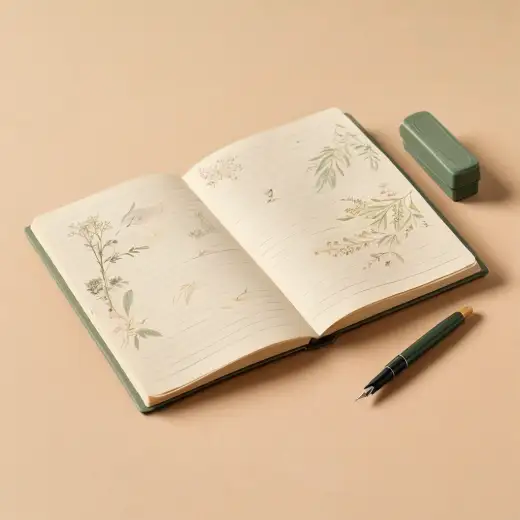
Everyone who worked with ledgers often built up tricks of their own. A blotter was slipped under the sheet so the ink wouldn't stain the desk. A ruler was kept at hand to draw the final line straight rather than crookedly by eye. And at especially important spots, the nib was dipped deeper so the figure came out bold and solid.
They tallied the columns at the bottom and always drew the total, that very coveted sum for which the ledger had, in essence, been started in the first place. If the total came out right, a quiet pride settled over the face of whoever filled it in. If it didn't, the hunt for the error began: every row was checked, lips moved, figures were compared, and usually the culprit turned out to be one wrongly copied number hiding somewhere in the middle.
The seasoned masters taught the young ones: don't rush, haste is a ledger's worst enemy. Better to write one row slowly and rightly than ten quickly and full of smudges. That unhurried wisdom, by the way, is still alive here and there, for instance at a certain cozy fictional factory where there's a special paper called the Quiet Ledger: into it, they say, you record not numbers but minutes of calm, and you can only sign it when no one around is rushing.
Smudges, Blots, and the Human Face of a Document
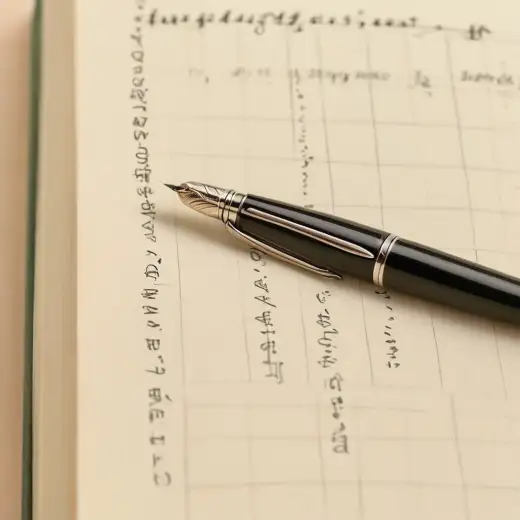
No matter how hard you tried, ledgers still got their smudges. A blot dripped down and suddenly there was a little blue lake in the corner, which had to be blotted carefully, holding your breath. Got a name wrong and you neatly crossed it out, wrote the correction above, and added a note beside it so no one would later think it had been altered on the sly.
These smudges and notes were the human face of a dry document. They showed that the ledger had been filled in not by a soulless machine but by a living person whose hand had wavered or whose ink had run out at the worst possible moment. And there was a touching honesty in that: the paper didn't pretend to be flawless.
Old ledgers, if you look them over years later, tell whole stories. Here the writing is brisk and even, you can tell it was a good morning. And here the letters drifted and shrank, the end of a workday, the hand grown tired, longing to be home. The document is silent, but between the lines you can hear a living voice.
Why the Ledger Sheet Still Warms the Heart
Today everything is counted by screens, and the figures add themselves up, instantly and without a single blot. It's convenient, no argument there. But something elusive went away along with the paper ledger, that very sense of a matter completed that the last signature at the bottom of the page used to give.
The ledger sheet taught patience and order. It wouldn't let you skip a row; it made you reach the end, draw the total, and only then settle down. There was a kindly discipline in that, not fussy but measured, like the ticking of a big wall clock in a quiet office.
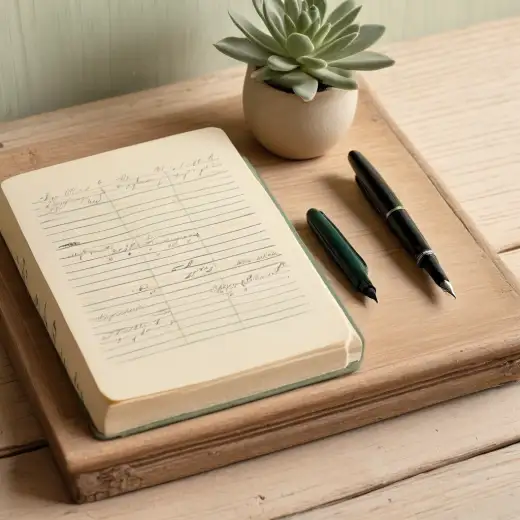
If an old ledger should suddenly turn up at your home, a yellowed sheet with faded ink and a round stamp in the corner, don't be in a hurry to throw it out. Smooth it flat, peer at the rows, find that one signature. And perhaps you'll hear, drifting up from deep within the paper, something quiet and calm: the matter is closed, you may rest now.