Word
The Filmstrip
The filmstrip was the slowest and therefore the cosiest way to tell a fairy tale: a strip of pictures, a projector, a bright rectangle on the wall, and frame after frame that you moved yourself, reading the captions aloud in the warm dark.
A Strip Rolled Up Into a Little Mystery
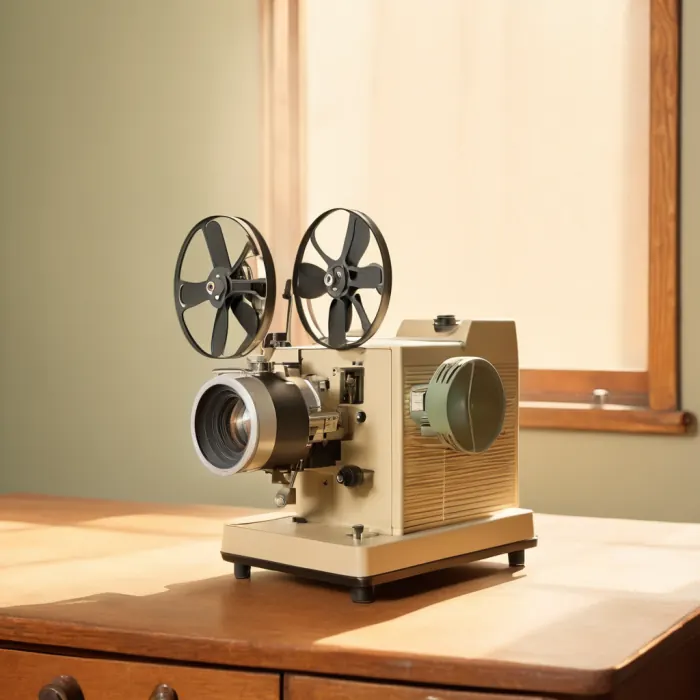
The filmstrip lived in a tiny plastic case, light as a feather. You unscrewed the little lid, shook a tightly wound coil of film out onto your palm — and there it was, a whole story rolled into a ring the size of a button. The film was narrow and transparent, with a long succession of little picture-frames running one after another. Hold it up to the light, squint, and you could already make out the tiny drawings and the captions beneath them. But looking at it that way was only teasing yourself. The real magic began when you loaded the film into the projector.
Each of those little cases was a treasure in its own right. Fairy tales, stories, funny tales about animals — all of it fit into a weightless coil you could hold in your fist. People collected them, traded them, kept them in a box like a little library. And each time, choosing which filmstrip to watch that evening, a child went through the sweet agony of choice: this familiar, beloved one, or that other one, not yet seen.
The Projector — A Household Lantern of Wonders
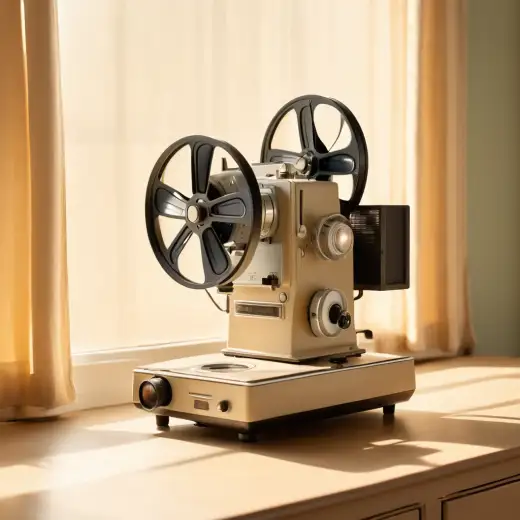
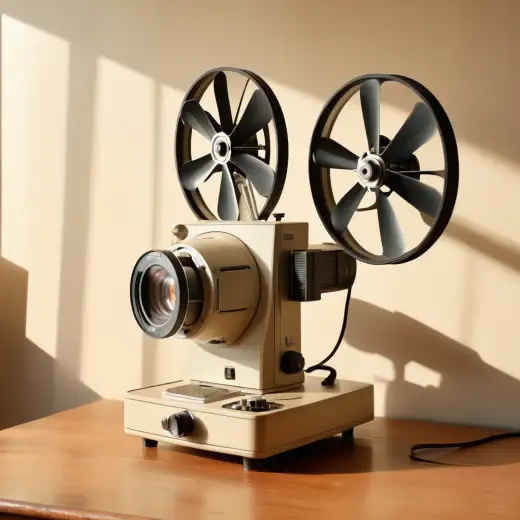
The projector itself was an almost sacred object. A small box with a lamp inside, a little eye of a lens at the front, and a narrow slot where you fed the film in. Switch it on and the lamp warmed up, the box grew faintly warm, began to hum just on the edge of hearing, and to smell of heated dust. You remember that smell for the rest of your life: warm, slightly electric, the smell of anticipating a fairy tale.
Setting up the projector was a ritual of its own, with its own fine points. You stood it on a table or a stool, aimed it at a clean light-coloured wall or a sheet hung up specially. You turned the lens to catch the focus, so the picture wouldn't blur. You moved the projector closer or further to choose the size of the image. All of this took patience and steady hands — fussing only got in the way. But when a sharp, bright frame flared up on the wall, a quiet joy seemed to roll through the room: it worked, it's about to begin.
Frame by Frame, in No Hurry
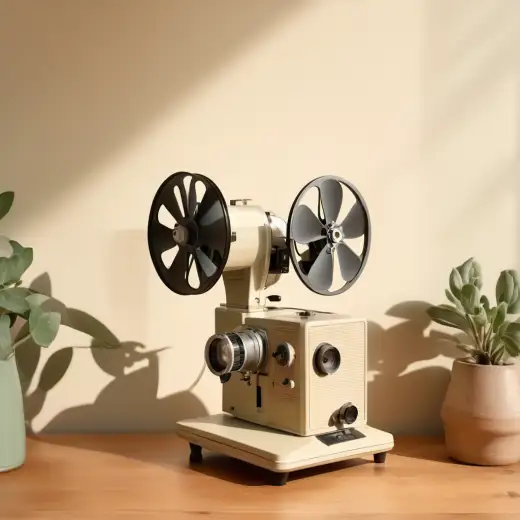
The chief charm of the filmstrip was that the viewer set the pace. No haste, no automatic flickering. You looked at one frame, said your fill, gazed your fill — then turned the little wheel, and the film crept on to the next with a soft click. One picture gave way to another exactly when you yourself were ready. Linger longer on a favourite frame if you like, study every detail. Or flip through faster. The story waited for you, not you for it.
This unhurried rhythm was nothing like the swift flicker of moving pictures. The filmstrip didn't drive you on, didn't hurry you, didn't fly past without letting you see a thing. It went at a walking pace, measured, giving you time to look your fill, to imagine, and to talk it over. Each frame was like a separate page you could dwell on for as long as your heart desired. And it was precisely this chance to stop, to hold a moment in your hands, that made the filmstrip so especially warm and unhurried.
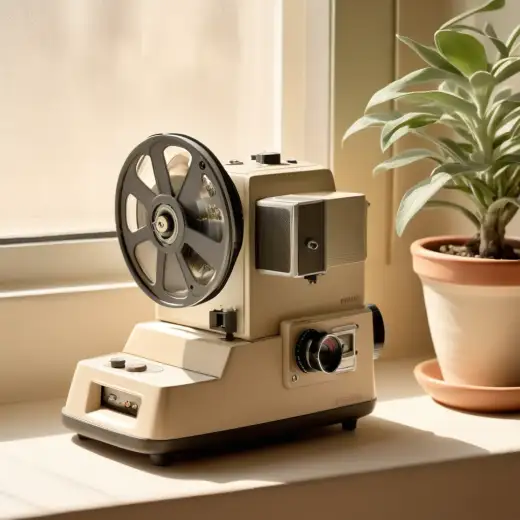
Captions Read Aloud
Beneath each frame ran a caption — a few lines of text telling what was happening in the picture. And here was where the cosiest part began: the captions were read aloud. Most often someone older read, and their voice led you through the story while the younger ones watched the wall and listened. Sometimes a child who had just mastered their letters was allowed to read — and that was a great honour and a point of pride, to lead the whole family through a fairy tale with your voice.
Reading aloud turned the viewing into a shared affair, a little home theatre. The reader couldn't help playing with their voice: a sly note for the cunning beast, a soft one for the kind one, a scarier one for the frightening one. The listeners chimed in with their own remarks, gasped, laughed, guessed what would happen next. A frame on the wall, a voice in the dark, warm shoulders nearby — out of this came that unforgettable cosiness. The filmstrip was not a spectacle for one but a story for everyone, told in a living voice.
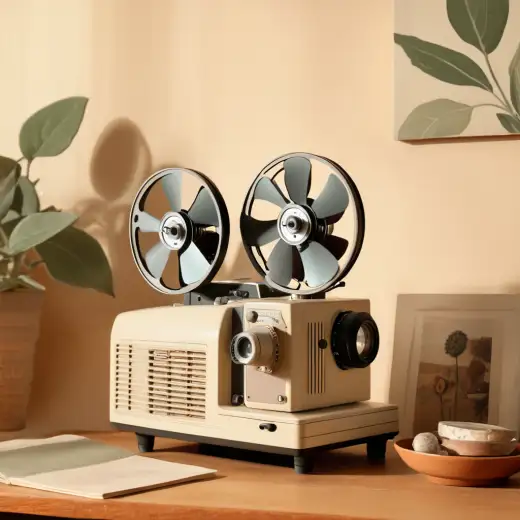
A Darkness That Isn't Frightening
You were meant to watch a filmstrip in the dark — otherwise the picture on the wall was pale and dull. The lights were switched off, the curtains drawn, and the room sank into a warm gloom, cut only by the projector's beam. And that darkness wasn't frightening at all. Quite the opposite — cosy, enveloping, homely. In it you listened better and dreamed better, and the fairy tale seemed nearer and more real.
In the dark all your senses sharpened. The hum of the projector sounded louder, the frame on the wall glowed brighter, the shoulder of whoever sat beside you felt warmer. Little ones often crept closer to the grown-ups, snug against a side, and listened from there in perfect safety. The darkness of the filmstrip was a time of special closeness — when everyone together, quietly, spellbound, gazed at one bright picture and lived through one story shared by all. It was a darkness you didn't want to chase away but to stretch out a little longer.
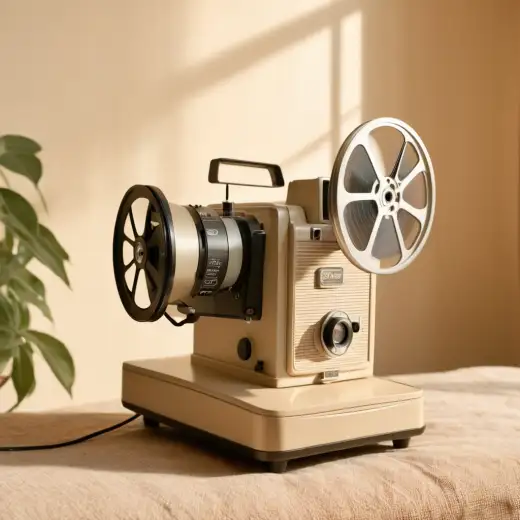
A Bedtime Tale and Its Long Echo
Most often the filmstrip was shown in the evening, before bed. It was the perfect closing chord to the day: calm, slow, kind. After noisy games and running about, it was so good to settle down in the warm dark, beneath a steady voice and the click of the film. The story soothed you, readied you for sleep, left a quiet, bright mood in your soul. Watch the last frame to the end — and you were almost ready to drift off.
And the next morning, and for years afterward, filmstrips were remembered with special tenderness. Many still recall the drawings from their favourite strips, the voice of a loved one reading the captions, the smell of the heated lamp, and that magical moment when the first frame flared up on the wall. These weren't just fairy tales — they were evenings of closeness, slowness, and warmth. The filmstrip taught whole generations that a good story needn't be gulped down on the run. It should be savoured, frame by frame.
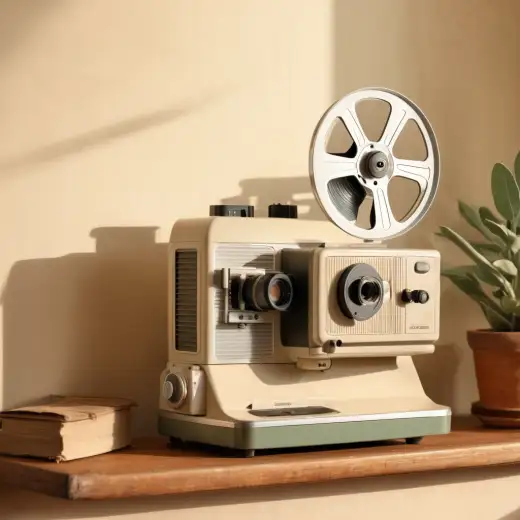
Frame by Frame at Our Factory
In the world of Cheremsha, with its cult of slowness, the filmstrip is almost a kindred spirit. The same philosophy: don't rush, move the story frame by frame, linger where it's good, read aloud, breathe evenly. Haste only spoils things here — whether in finding the focus or in living through the tale. Calm, on the other hand, opens up all the charm of the moment. That, after all, is the main rule of our warm little factory, only told by a beam of light on a wall.
You can just picture it: after a long shift, someone takes a filmstrip case out of the box, sets the projector on a stool in the factory canteen, and turns off the light. A frame flares up on the wall, and Cheremsha the mascot, the rabbit-lion, settles in more comfortably, an ear pricked up. Someone begins to read the captions aloud, and the bustle of the day gone by melts away in the warm dark. Frame by frame, in no hurry — and a calm settles over your soul. Because the best stories, like the best work, don't care for haste.